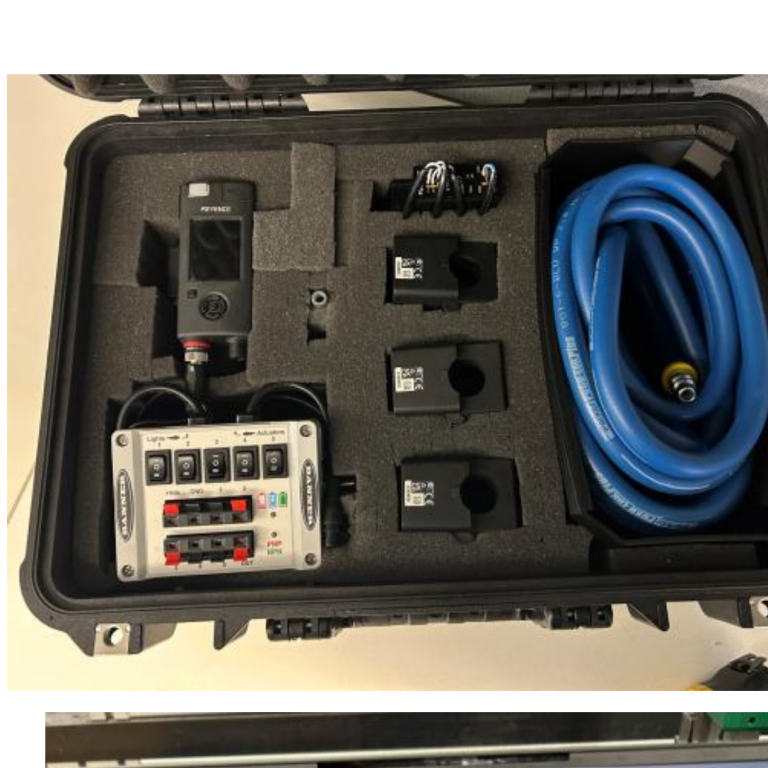
BILSTEIN Air Flow Sensor
During my time at Bilstein I was fortunate enough to be assigned a range of projects including this one. This project included developing a portable air flow sensor system to assess the specifications of potential production machines, and if they would fit the standards needed for our company.

First Steps
Before starting this project, one thing I had in mind from previous experiences was to understand the problem, and what it was I needed to work around.
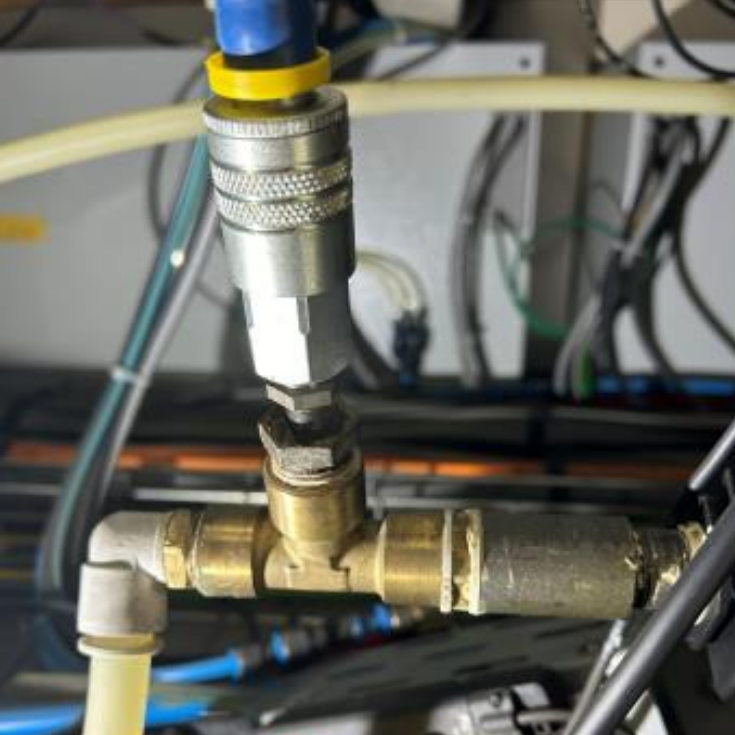
I continued with taking a look at the standard type of hose system and connections used in all of the current machines.
Finding The Correct Equipment
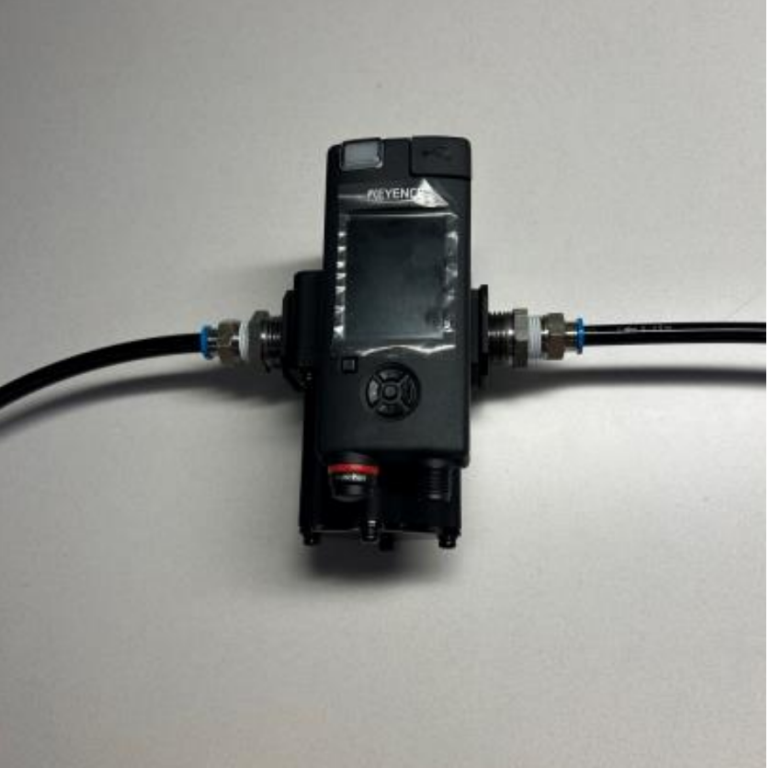
This included finding the correct equipment that could withstand the amount of pressure needed while fitting correctly. Research into past solutions and currrent equpiment was needed to achieve this step.
Testing
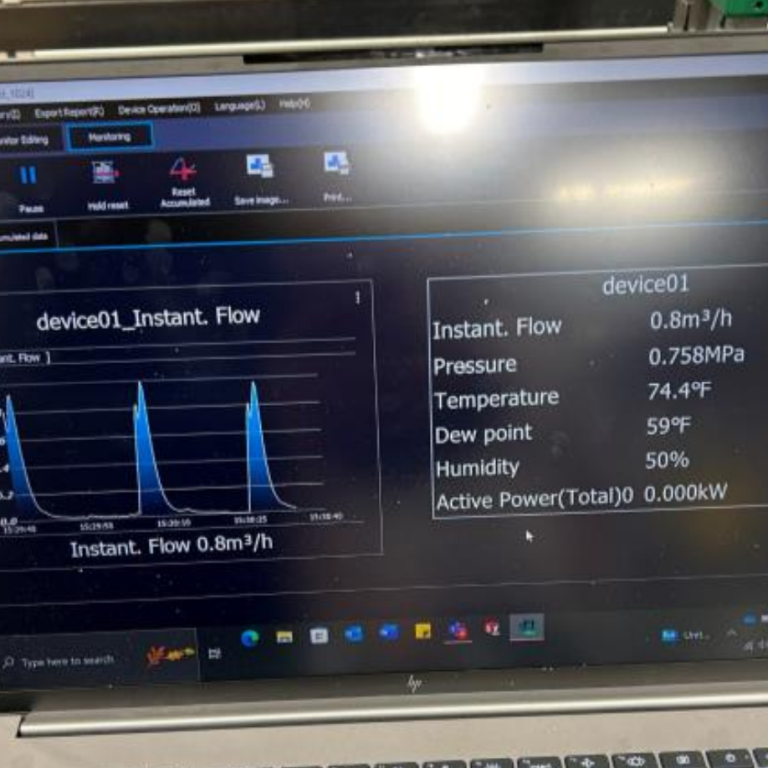
Before getting too into the weeds of the design, I had to make sure the component collected the correct data and was compatible with our system. Multiple tests were taken around the plant to ensure the device could handle the range of pressures and flows delivered to each machine.
Design
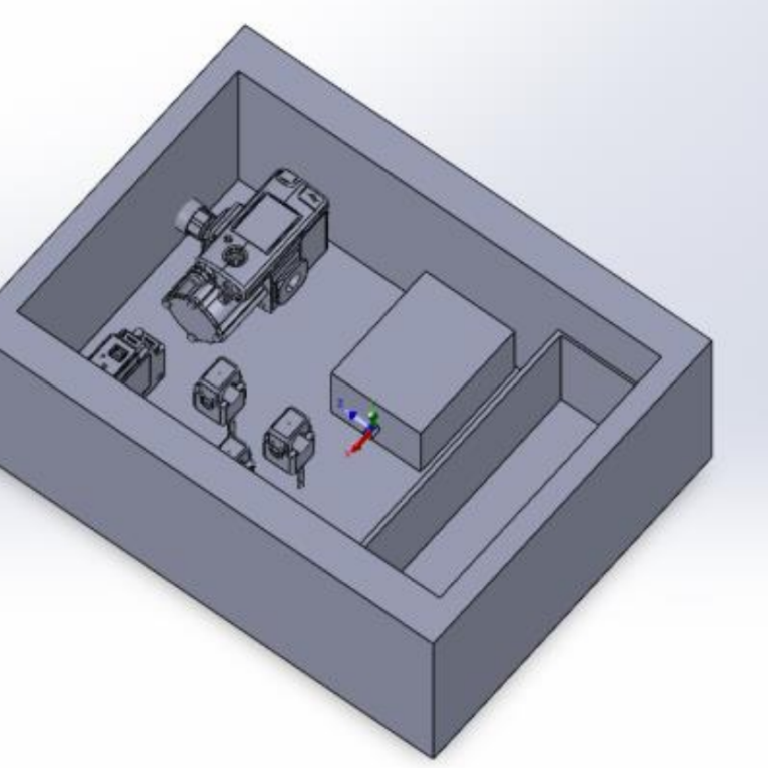
Next step was to arrange the components into the selected container. To avoid wasting material and time, a quick model was made to adjust the position of each component and determine the most efficient layout.
Final Assembly
After coming to a decision on the best layout , a foam was selected to hold each component in place and cut to specification. The device was then tested again to ensure that movement into place did not hinder any of the connection abilities or disrupt any electrical or air flow.